
Your brain holds an ancient navigation system more powerful than any GPS device. By learning to harness spatial memory techniques, you can transform how you remember information, navigate challenges, and elevate your cognitive performance.

🧠 The Ancient Art of Memory Palaces: Your Brain’s Built-In Navigation System
Long before smartphones and digital calendars, ancient Greek and Roman orators memorized hours-long speeches using a revolutionary technique called the Method of Loci. This spatial memory technique leverages your brain’s natural ability to remember locations and spatial relationships far better than abstract information.
Neuroscience has confirmed what memory champions have known for centuries: your hippocampus, the brain region responsible for spatial navigation, is also central to forming and retrieving memories. When you anchor information to physical locations, you’re essentially hijacking your brain’s most powerful memory system.
Think about it—you can probably navigate your childhood home in your mind right now, remembering every room, every piece of furniture, even the creaky floorboard in the hallway. That’s spatial memory at work, and you can use this innate ability to remember anything from grocery lists to complex presentations.
Why Spatial Memory Techniques Outperform Traditional Study Methods
Traditional rote memorization forces your brain to work against its natural design. When you try to remember abstract information through repetition alone, you’re using your brain’s weakest memory systems. Spatial memory techniques, by contrast, tap into evolutionary advantages that helped our ancestors survive.
Research from the University of California demonstrates that people using spatial memory techniques can remember up to 90% of information after just one mental walkthrough, compared to roughly 20% retention with standard repetition methods. This dramatic difference exists because location-based memories create multiple neural pathways, making recall faster and more reliable.
Your brain dedicates significant processing power to understanding where things are in space. By attaching information to locations, you’re giving each piece of data a physical address in your mental landscape, making it infinitely easier to find when you need it.
🗺️ Building Your First Memory Palace: A Step-by-Step Guide
Creating a memory palace doesn’t require architectural expertise or artistic talent. You simply need a familiar location and a systematic approach to mentally organizing information within that space.
Choosing Your Memory Palace Foundation
Start with a location you know intimately—your current home, a childhood residence, your daily commute, or even your workplace. The key is perfect familiarity. You should be able to mentally walk through this space without hesitation, seeing every detail clearly in your mind’s eye.
For beginners, a simple bedroom or apartment works perfectly. As you become more proficient, you can expand to larger locations like shopping malls, university campuses, or entire neighborhoods. Many memory athletes maintain dozens of memory palaces for different purposes.
Establishing Your Mental Route
Define a specific path through your chosen location. Always travel the same direction to maintain consistency. For example, in a bedroom, you might start at the door, move clockwise around the perimeter, then spiral inward toward the center.
Identify specific stations or loci along your route—distinctive objects or locations where you’ll place memories. In a typical bedroom, your stations might include: the doorknob, the light switch, the bookshelf, the window, the bed, the nightstand, the dresser, and the closet.
Placing Information with Vivid Imagery
This step separates beginners from masters. Simply placing information at a location isn’t enough—you need to create bizarre, emotionally charged, or humorous mental images that make the information unforgettable.
If you’re memorizing a shopping list and “eggs” is your first item, don’t just imagine eggs sitting on your doorknob. Instead, visualize your doorknob completely covered in cracked eggs dripping yolk down the door. Engage multiple senses: hear the squelching sound, smell the sulfur, feel the slippery texture. The more outrageous, the better.
Advanced Spatial Memory Techniques for Complex Information
Once you’ve mastered basic memory palaces, you can adapt the technique for increasingly sophisticated applications. Professional memory competitors use these advanced methods to memorize entire decks of cards, hundreds of random numbers, and complex technical information.
The Journey Method for Sequential Information
When order matters—like presentation points, historical timelines, or procedural steps—the journey method ensures perfect sequential recall. Map your information to a familiar route: your morning commute, a walking path, or a journey through your neighborhood.
Each landmark becomes an anchor for information in proper sequence. This technique works exceptionally well for speeches and presentations because you naturally move through your mental journey as you deliver your talk, automatically cueing the next topic.
The Peg System: Combining Numbers with Locations
The peg system creates a permanent framework for remembering numbered lists or ordered information. You assign a vivid image to each number (1 = candle, 2 = swan, 3 = trident, etc.), then place these images at locations in your memory palace.
This double-encoding—number-image plus spatial location—creates incredibly robust memories. Medical students use this technique to memorize anatomical systems, cranial nerves, and pharmacological classifications.
🎯 Practical Applications: From Grocery Lists to Professional Success
Spatial memory techniques aren’t just party tricks or competition tools. They offer practical advantages in everyday life and professional contexts that can genuinely transform your capabilities.
Academic Excellence Through Spatial Organization
Students using memory palaces consistently outperform peers on exams requiring recall of facts, dates, formulas, and concepts. By organizing course material spatially, you create a mental textbook that’s always accessible, even without notes.
For language learning, create memory palaces where each room represents a different grammatical concept or vocabulary theme. Place vocabulary words as objects within the appropriate room, and you’ll naturally organize language knowledge in retrievable categories.
Professional Presentations Without Notes
Public speaking anxiety often stems from fear of forgetting key points. Memory palaces eliminate this concern entirely. By placing your presentation structure in a familiar location, you can deliver complex talks without slides or notes, maintaining eye contact and genuine connection with your audience.
Executives and thought leaders use this technique to deliver keynote speeches, board presentations, and investor pitches with apparent effortlessness. Your confidence soars when you know every point is safely anchored in spatial memory.
Daily Life Optimization
Never forget grocery items, errands, or tasks again. Quick memory palaces for daily activities take seconds to construct but prevent countless frustrating moments of “what did I come here for?”
For appointments and schedules, create a weekly memory palace where different rooms represent different days, and objects within each room represent scheduled activities. This spatial calendar becomes second nature with practice.
Training Your Spatial Memory: Exercises and Apps
Like any skill, spatial memory improves with consistent practice. Fortunately, training can be engaging and even entertaining when you approach it systematically.
Daily Memory Palace Practice Routine
Start small with five-item lists: groceries, to-do tasks, or random words. Place them in a simple memory palace, then recall them an hour later, then the next day. Gradually increase to ten items, then twenty, monitoring your accuracy.
Vary the types of information you memorize. One day practice numbers, the next day names and faces, then abstract concepts. This variation strengthens different aspects of your spatial memory system.
Digital Tools to Accelerate Learning
Several apps specifically target spatial memory development. Lumosity offers scientifically designed games that strengthen spatial reasoning and memory formation. Their “Memory Matrix” and “Lost in Migration” games specifically enhance spatial working memory.
Peak Brain Training provides another excellent option with games like “Memory Grid” that challenge spatial recall under time pressure, building both speed and accuracy in spatial memory tasks.
🏆 Memory Competition Secrets: What Champions Know
Memory athletes aren’t born with superhuman brains—they simply master spatial memory techniques through deliberate practice. Understanding their training methods can accelerate your own development.
Speed Training Protocols
Champions practice rapid encoding—quickly converting information into vivid images and placing them in memory palaces. They might spend months developing automatic associations: the number 23 always becomes a specific image, the playing card Queen of Hearts always triggers the same bizarre mental picture.
This automaticity eliminates the thinking pause between seeing information and encoding it spatially. With practice, you can develop similar reflexes for information types you frequently encounter.
Palace Expansion Strategies
Elite memory competitors maintain dozens or even hundreds of memory palaces. They catalog these mentally, knowing exactly which palace to use for which type of information. You might create specialized palaces for work projects, personal goals, learning projects, and daily tasks.
Some champions use Google Street View to create memory palaces in locations they’ve never physically visited, demonstrating that visual familiarity through digital exploration can work nearly as well as physical experience.
Common Mistakes That Sabotage Spatial Memory Success
Beginners typically encounter predictable obstacles when learning spatial memory techniques. Recognizing these pitfalls helps you avoid frustration and progress faster.
Using Unfamiliar or Vague Locations
The most common mistake is choosing a memory palace you don’t know intimately. If you have to pause and think about what comes next in your mental walkthrough, your foundation is too weak. Stick with locations you could navigate blindfolded.
Creating Boring, Forgettable Images
Placing a simple apple on a table won’t create a memorable association. You need drama, absurdity, or emotional resonance. Imagine that apple exploding in slow motion, or rotting before your eyes, or singing opera. The stranger, the more memorable.
Neglecting Regular Review
Even spatial memories fade without reinforcement. Review your memory palaces within 24 hours of creation, then again after a week, then monthly. This spaced repetition solidifies long-term retention.
🌟 Integrating Spatial Memory Into Your Lifestyle
The true power of spatial memory emerges when it becomes habitual rather than occasional. Integration requires intentional practice until these techniques become your default thinking pattern.
Morning Mental Preparation
Start each day by mentally walking through a memory palace containing your daily priorities. This five-minute practice sets clear intentions and ensures nothing important slips through the cracks. Your morning coffee becomes a memory rehearsal session.
Converting External Memory to Internal Memory
Gradually reduce dependence on external reminders. When you write a grocery list, immediately transfer it to a memory palace, then leave the list at home. This forces active recall and strengthens your spatial memory muscles.
For meetings and appointments, place them spatially before entering them in your phone calendar. Use technology as backup rather than primary storage, keeping your mental navigation system sharp.
The Neuroscience Behind Location-Based Learning
Understanding why spatial memory works so effectively can motivate consistent practice and help you optimize your technique based on brain science rather than guesswork.
Your hippocampus contains specialized “place cells” that fire when you’re in specific locations. Nearby “grid cells” create a coordinate system for navigation. When you use memory palaces, you’re activating these same neural networks, essentially tricking your brain into treating abstract information as navigable space.
fMRI studies show that memory champions using spatial techniques activate brain regions associated with navigation and visual processing, not areas typically associated with verbal memory. They’re literally seeing their way through information rather than hearing or reading it mentally.
This explains why spatial memories feel different from other memories—they have a sense of location, a feeling of “thereness” that abstract memories lack. You don’t just remember the information; you remember where it lives.
🚀 Transforming Cognitive Performance Through Spatial Practice
Beyond simple memorization, spatial memory practice creates broad cognitive benefits. Regular users report improvements in attention span, mental clarity, creative problem-solving, and even emotional regulation.
The discipline of creating vivid mental imagery strengthens visualization skills valuable in strategic planning, design thinking, and goal setting. Athletes use similar techniques for performance visualization; you’re applying the same neural pathways to information management.
Perhaps most surprisingly, practitioners often report reduced mental clutter and anxiety. When you know important information is safely stored in organized mental spaces, your conscious mind can relax rather than constantly rehearsing lists and worrying about forgetting.
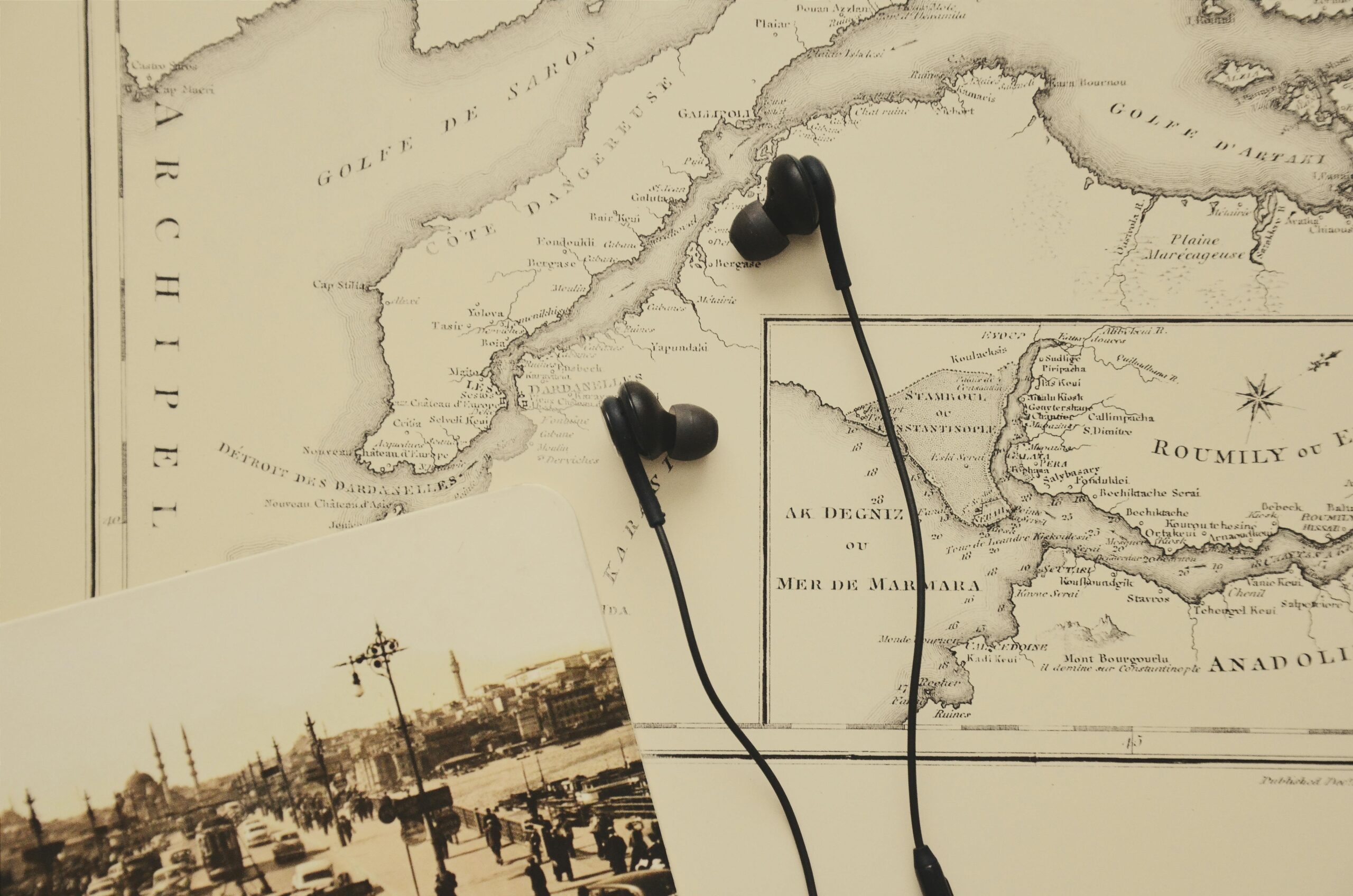
Your Journey Starts With a Single Step
The techniques described here represent centuries of refinement and modern neuroscience validation. Yet they remain remarkably simple to start practicing immediately. You don’t need special equipment, expensive training, or exceptional natural talent.
Begin today with a simple challenge: memorize your grocery list using your bedroom as a memory palace. Place each item at a different location with a vivid, absurd image. Then shop without your list. This single experiment will demonstrate the power you’re about to unlock.
As you develop proficiency, gradually expand to more complex applications. Within weeks, you’ll notice changes in how you think about information, how confidently you navigate conversations and presentations, and how much more mental capacity you have for creative thinking rather than rote rehearsal.
Your mind’s GPS has always been there, waiting for you to recognize its potential. Every location you know well represents a blank canvas for organizing knowledge. Every memory palace you create expands your cognitive capabilities. The ancient art of spatial memory, enhanced by modern understanding, offers a competitive advantage in our information-saturated world.
Start building your first memory palace today, and discover what your mind can truly accomplish when you align your memory techniques with your brain’s natural architecture. The journey from forgetting to effortless recall begins with spatial thinking—and it starts right now.